What is Social Commerce?
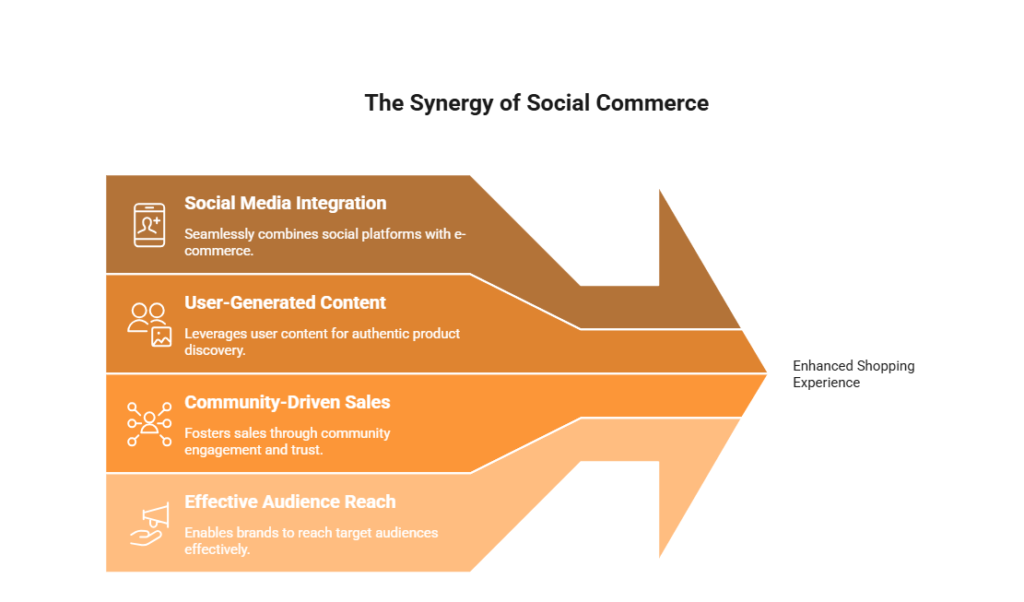
Social commerce refers to the practice of buying and selling products directly on social media platforms. This means that the entire shopping experience, from product discovery to payment, occurs within apps like Instagram, Facebook, and TikTok. Instead of simply using
social media for advertising, brands can establish digital storefronts and enable users to browse and purchase items without ever leaving their social media feeds.
Instagram as a Storefront
Instagram has emerged as a leading platform for social commerce, primarily due to its visually-driven nature and its vast, highly engaged user base. Brands are increasingly leveraging Instagram to connect their product catalogs and utilize features like Instagram Shopping, shoppable posts, Stories, Reels, and the “View Shop” button.
Shoppable Tags are a particularly effective tool, allowing brands to link products directly within their posts and videos. This enables shoppers to tap on the tags for instant access to product information and purchasing options. Furthermore, Instagram Shopping is seamlessly integrated with Facebook Shops, facilitating easy inventory management and streamlining the overall sales process.
Key Features Driving Social Commerce
Several key features are driving the growth and success of social commerce:
- Shoppable Posts & Stories: These features allow brands to tag products directly in
their content, enabling consumers to tap, view, select, and buy items with ease. - Live Shopping: Real-time streaming events provide brands with a platform to
showcase products, answer customer questions, and facilitate instant sales. - Influencer Integration: Collaborations with influencers allow creators to tag brands and link products, effectively turning recommendations into direct sales opportunities.
- User-Generated Content: Customer photos and reviews serve as powerful social proof, building trust and encouraging further purchases.
The Business Impact: Stats & Trends
The impact of social commerce on businesses is significant and growing:
- With over 5 billion people using social media globally, a substantial portion of consumers are now making purchases directly through these platforms. In the US, half of social media users are buying directly through social platforms.
- Instagram is projected to reach nearly 47 million US buyers in 2025, highlighting its continued dominance in the social commerce space.
- Social commerce in the US is expected to surpass $100 billion in sales in 2025, demonstrating its increasing importance to the retail industry.
- Millennials and Gen Z are particularly driving the growth of Instagram shopping, with over 30% making purchases based on influencer recommendations.
- Influencer marketing is booming, with brands investing over 40% of their social marketing budgets in influencer strategies.
Benefits of Turning Instagram into a Shop
Transforming Instagram into a shop offers numerous benefits for brands:
- Wider Audience Reach: Brands can connect with new customers within social feeds as people share, tag, and discover new products.
- Faster, Frictionless Shopping: The ability to click on a product and complete the checkout process in seconds reduces cart abandonment rates.
- Stronger Social Proof: Reviews, shares, and customer posts build brand trust in real time, enhancing credibility and encouraging purchases.
- Personalized Experience: Al and analytics enable brands to showcase products that shoppers are most likely to be interested in, creating a more tailored and engaging experience.
- More Data: Brands can collect valuable customer information, shopping trends, and feedback directly from social media interactions, providing insights for future marketing and product development efforts.
Examples and Best Practices
Several brands have successfully leveraged social commerce to drive sales and engagement:
- The Tiny Tassel: This handmade jewellery retailer utilizes Facebook Shops to provide a
seamless browsing experience and build trust through detailed product information. - Target: The retail giant selectively highlights key products that align with their Instagram content strategy, enhancing the browsing experience and driving targeted sales.
- Made by Mitchell: This makeup brand sells exclusively on TikTok Shop, using live shopping events and collaborations to achieve record sellouts.
Practical Tips for Brands
To succeed in social commerce, brands should consider the following practical tips:
- Use high-quality visuals and Reels to showcase products in action, capturing attention and driving engagement.
- Encourage customers to post and tag the brand, fostering authenticity and building social proof.
- Schedule a variety of content formats (Reels, Stories, live streams] and track which ones drive the most sales, optimizing content strategy for maximum impact.
- Use Shopify and other e-commerce integrations to manage inventory and synchronize sales across platforms, ensuring a seamless and efficient operation.
Conclusion
Social commerce is revolutionizing the way people shop online. Instagram, with its immersive visual style and user-friendly shopping features, has become a true storefront where inspiration, engagement, and purchase converge. Brands that embrace these changes by leveraging influencers, authentic user-generated content, live events, and direct shopping tools will be well-positioned to reach more customers, accelerate sales, and cultivate stronger relationships in 2025 and beyond.