This blog explores the “Nano Banana effect,” a recent phenomenon driven by Google’s Gemini 2.5 Flash Image (nicknamed “Nano Banana”), an advanced AI image generation and editing model that’s reshaping both digital creativity and social media trends in 2025. It delves into the origins, functionality, impact, real-world applications, and broader implications of this viral trend.
What is the Nano Banana Effect?
- Origin: “Nano Banana” began as an internal code name for Google’s advanced image model. It gained widespread recognition after the technology was publicly released as part of the Gemini platform in August 2025.
- Core Feature: The tool enables users to quickly transform photos—of themselves, pets, or objects—into extremely lifelike, 3D-style figurine images with remarkable detail and consistency, even across repeated edits and style changes.
- Viral Trend: The effect went viral on platforms like Instagram and TikTok as users shared stylized 3D versions of themselves or celebrities. This included popular cultural trends such as retro “Banana AI Saree” portraits.
How Does It Work?
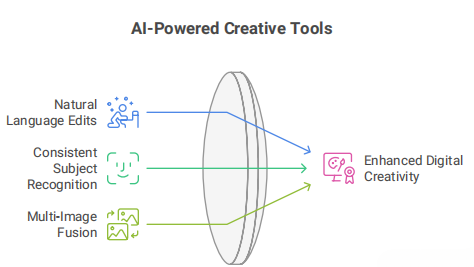
- Natural Language Edits: Users upload a photo and write simple text prompts (e.g., “make me a superhero” or “create a 90s Bollywood look”). The AI edits the image while preserving the subject’s key features and personality.
- Consistent Subject Recognition: Unlike earlier models, Nano Banana maintains the subject’s appearance consistently across multiple edits, backgrounds, costumes, or settings, addressing a significant challenge in creative AI editing.
- Multi-Image Fusion: Users can blend multiple photos into a single, coherent image or scene using conversational commands.
Impact and Reach
- Rapid Adoption: Within two weeks of launch, over 23 million users joined Gemini and created more than 500 million images using Nano Banana.
- Creative Explosion: The feature’s ease of use and viral nature made it one of the fastest-growing AI tools in social media history, with millions of creators producing new content for entertainment, personal branding, and even commercial use.
- Privacy and Transparency: Google embeds SynthID watermarks (both visible and invisible) in every generated or edited image so that people and platforms can identify AI-generated content, helping address growing concerns around deepfakes and privacy.
Real-World Uses
- Personalization: Users generate custom avatars, figurines, or themed portraits for profile pics, gifting, or fandom.
- Marketing: Brands and influencers use Nano Banana to create eye-catching visual campaigns that don’t require professional design skills.
- Meme Culture: The Nano Banana effect has fueled new meme formats, trending challenges, and influencer collaborations worldwide.
Broader Meanings
- The “Nano Banana effect” now refers not just to the explosion of Gemini’s 3D images but also to the viral adoption curve that can result when a tech company launches a user-friendly, highly creative AI tool that captures internet culture’s imagination.
- It’s become a case study in how rapid digital innovation, open access, and smart branding can shift mainstream user behavior across industries in weeks—not years.
The Nano Banana effect is not just a passing trend but a glimpse into the future of interactive digital art and social media culture—where technology, creativity, and community converge in unprecedented ways.