In 2025, augmented reality (AR) has become a pivotal force in marketing, offering unprecedented opportunities for brand engagement and customer interaction. With the global AR market estimated between $87.3 billion and $198 billion, driven by over 2 billion active mobile AR users, brands are increasingly leveraging AR to enhance product visualization, drive sales, and create immersive experiences. This document explores the benefits of AR in marketing, showcases top AR campaigns of 2025, and highlights the industries thriving with AR, providing key statistics and examples that demonstrate AR’s transformative impact on the marketing landscape.
Benefits of AR in Marketing
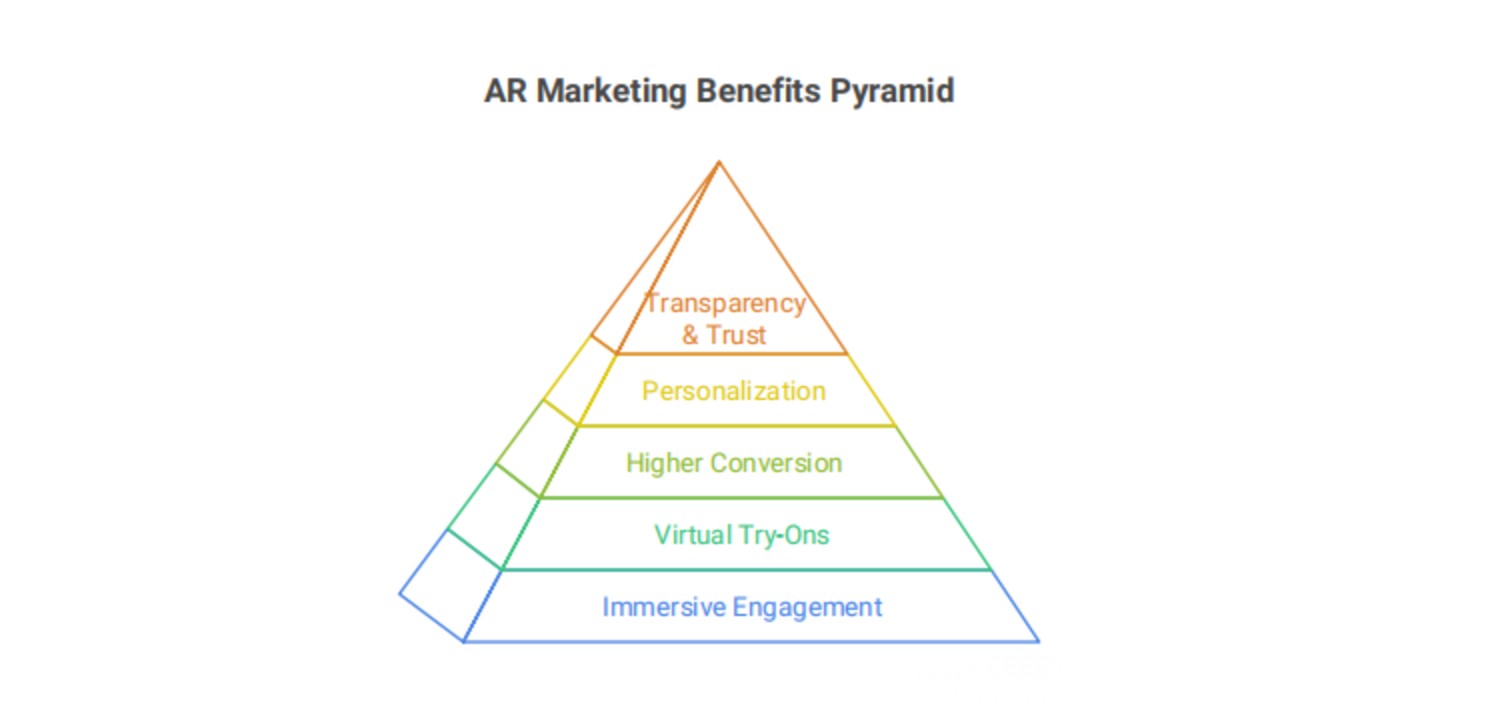
Augmented reality is revolutionizing how brands connect with consumers, offering a range of benefits that traditional marketing methods simply cannot match.
- Immersive Engagement: AR campaigns significantly boost engagement, with brands reporting up to 4x longer engagement times compared to traditional digital content. This heightened engagement translates to a 3x higher brand lift and a 70% greater memory recall, making AR a powerful tool for creating lasting impressions.
- Virtual Try-Ons & Demos: AR enables customers to virtually try on products like makeup, sunglasses, furniture, or shoes. This feature builds purchase confidence by allowing customers to visualize how products will look in their own environment or on themselves, effectively reducing barriers to sale.
- Higher Conversion & Lower Returns: Shoppers who interact with AR features experience up to a 90% increase in conversion rates. Additionally, AR reduces the likelihood of returns, as customers have a better understanding of what they are buying, leading to higher satisfaction and lower operational costs.
- Personalization at Scale: AR allows for the creation of customizable, interactive experiences that cater to individual customer preferences. This level of personalization increases customer loyalty and perceived value, fostering stronger brand relationships.
- Transparency & Trust: AR experiences that provide transparent product information and interactive demonstrations build trust with consumers. Studies show that 73% of users are willing to pay more for products after engaging with transparent AR experiences, highlighting the value of AR in enhancing brand credibility.
Top Augmented Reality Campaigns (2025)
Several brands have successfully harnessed the power of AR to create memorable and impactful marketing campaigns in 2025.
- Samsung: #VideoSnapChallenge (TikTok): This interactive AR campaign on TikTok reached over 14.8 billion views. The campaign featured an AR “randomizer” that allowed users to virtually interact with the features of the Galaxy S21 FE, creating a fun and engaging experience that drove significant brand awareness.
- Coca-Cola: AR Vending Machine: Coca-Cola deployed interactive AR vending machines in public spaces, blending the digital and physical worlds. Users could engage with the vending machine through their smartphones, unlocking exclusive content and promotions, enhancing the overall brand experience.
- NYX “Beauty Bestie” AI AR: NYX combined AR with AI in its virtual try-on app, offering personalized beauty advice to users. This integration drove higher conversion rates and social shares, as customers were able to experiment with different looks and receive tailored recommendations.
- L’Oreal: AI-Driven AR Beauty Experience: L’Oreal offered AI beauty consultations and AR try-ons for tailored product recommendations and gamified experiences. This approach allowed customers to explore a wide range of products and receive expert advice, enhancing their overall shopping experience.
Why Brands Love AR Marketing?
Brands are increasingly adopting AR marketing due to its unique ability to create stronger and more lasting brand awareness compared to static ads. Users are significantly more likely to remember brands that offer immersive AR experiences. Interactive AR enables brands to tell stories, educate, and even gamify the buying process, helping them stand out in a crowded digital landscape.
Brand AR experiences on platforms like Snapchat, Instagram, and TikTok are more likely to go viral than traditional content, multiplying reach organically. Furthermore, AR campaigns generate valuable data on user preferences, behaviors, and engagement, enabling smarter marketing decisions and more targeted strategies.
Industries Thriving with AR Marketing
AR marketing is making significant inroads across various industries, transforming how businesses engage with their customers.
- Automotive: Automotive companies are creating virtual car showrooms and feature demos, allowing customers to explore vehicles from the comfort of their homes. These AR experiences provide detailed product information and interactive demonstrations, enhancing the car-buying process.
- Beauty & Cosmetics: AR-powered makeup and hair color try-ons, along with AI recommendations, are transforming the beauty industry. Brands like L’Oreal and NYX are using AR to offer personalized beauty advice and virtual product trials, driving higher conversion rates and customer satisfaction.
- Entertainment & Film: Interactive movie lenses and city landmark AR experiences are becoming increasingly popular in the entertainment industry. The Barbie/Snapchat campaign, for example, allowed users to interact with the Barbie brand in new and engaging ways, creating a memorable experience.
- Finance/FinTech: Financial institutions are using AR to launch new products and services, such as AR “portals” or card launches. Revolut Ultra, for example, used AR to create an immersive experience for customers, enhancing the perceived value of their products.
Augmented reality is transforming marketing from passive content to memorable, interactive brand experiences, with proven results in engagement, conversion, and brand lift. Brands that embrace AR today not only captivate modern consumers but also future-proof their marketing in a rapidly evolving landscape.