Grammarly’s evolution in 2025 provides a compelling case study for SaaS companies aiming for sustained growth, high product adoption, and strong user retention in a fiercely competitive market. Through continuous innovation in its AI-driven tools, a relentless focus on user-centric product development, and the establishment of a robust B2B presence, Grammarly solidified its position as the undisputed global leader in writing assistance software.
Background: The Need for Smarter Communication
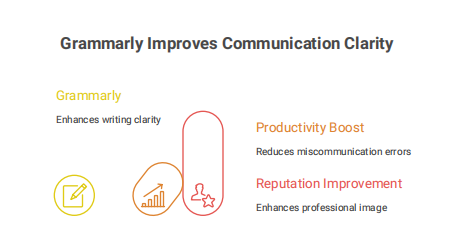
The rise of remote work, increasing globalization, and the integration of AI-driven workflows have collectively underscored the critical importance of clear and effective communication, while simultaneously making it more challenging to achieve. Employees, students, and enterprises alike are constantly bombarded with written content. Errors in grammar, tone mismatches, and general miscommunications can significantly hinder productivity and negatively impact professional reputations. Grammarly recognized this growing need and stepped up to address it with a simple yet powerful promise: Every user can write more clearly and confidently—anywhere, on any device.
Strategic Pillars of Growth
1. AI Innovation and Personalization
Grammarly’s core strength lies in its advanced AI capabilities. Powered by cutting-edge generative and natural language AI, the platform expanded far beyond simple grammar correction. By 2025, Grammarly offered a suite of sophisticated features, including context-aware tone adjustments, seamless multilingual translation, inclusive language suggestions, advanced plagiarism detection, and real-time writing analytics. Crucially, the platform provided personalized feedback that adapted to individual writing styles, industry-specific vocabulary, and the intended audience. This level of personalization ensured that users received relevant and actionable advice, leading to significant improvements in their writing quality.
2. Seamless Integration
Recognizing that users write in a multitude of contexts, Grammarly strategically avoided becoming a standalone application. Instead, it transformed into an “anywhere you write” assistant, seamlessly integrating with popular platforms such as Gmail, Slack, Microsoft Word, LinkedIn, CRM systems, and mobile devices. This frictionless user experience significantly boosted adoption rates and dramatically increased daily active usage, as users could access Grammarly’s assistance without disrupting their existing workflows.
3. B2B and Enterprise Expansion
Grammarly strategically shifted its focus from a primarily consumer-oriented model to include a robust enterprise solution. The launch of Grammarly Business provided organizations with powerful admin controls, comprehensive team analytics, compliance features to ensure adherence to company policies, and the ability to create custom style guides. By integrating directly with workplace communication tools, Grammarly Business enabled organizations to maintain consistent, high-quality written output across all departments and teams.
4. Data Privacy and Trust
In an era of growing concerns surrounding AI and data privacy, Grammarly prioritized transparency and security. The company’s commitment to transparent data practices, adherence to GDPR compliance, and implementation of robust encryption protocols reinforced its reputation as a trustworthy productivity partner. This focus on data privacy was a key differentiator, attracting users who were wary of entrusting their writing to less secure platforms.
5. Education and Content Marketing
Grammarly invested heavily in creating free resources, hosting informative webinars, and establishing partnerships with educators to strengthen its brand authority and effectively onboard new users. Its popular blog and engaging social media campaigns showcased compelling “before and after” examples of writing improvements, provided valuable writing tips tailored to different professions, and featured authentic user testimonials. This comprehensive approach to education and content marketing fostered a passionate community around the Grammarly brand.
Key Product Features in 2025
- Contextual rewriting suggestions for emails, reports, and social media posts
- Advanced tone and clarity detection (formal/informal, friendly/direct)
- Comprehensive multilingual support (20+ languages)
- Real-time plagiarism scanning with source identification
- Seamless integration with third-party platforms and browser extensions
- Team analytics, admin dashboards, and organizational style guides for businesses
- Adaptive writing insights based on individual progress and goals
The increasing adoption of Grammarly among professionals, educators, and enterprises fueled double-digit annual growth. User engagement soared, driven by personalized and seamlessly integrated experiences.
Challenges Faced
- Privacy and Data Security: Navigating complex global regulations and addressing evolving user concerns regarding data privacy.
- AI Competition: Responding to the emergence of new competitors and the increasing feature parity offered by Big Tech companies.
- Market Education: Effectively differentiating Grammarly’s advanced AI-powered capabilities from basic spelling and grammar tools.
- Scaling Infrastructure: Supporting millions of users across a wide range of platforms and languages, while maintaining performance and reliability.
Lessons for SaaS Brands
- User-centric innovation: Continuously listening to user feedback and adapting features to meet their evolving needs.
- Omnichannel integration: Meeting users where they work by seamlessly integrating with the platforms they already use.
- Education-driven onboarding: Providing valuable resources, guides, and webinars to help users understand and utilize the full potential of the product.
- Proactive privacy measures: Prioritizing data privacy and security to build trust with users.
- Enterprise-focused product development: Developing features and functionalities that cater to the specific needs of businesses, such as administrative controls and team analytics.
Conclusion
Grammarly’s journey to success in 2025 underscores the critical importance of relentless innovation and a customer-centric mindset. By effectively addressing real communication challenges, embracing seamless integrations, and prioritizing user trust, Grammarly not only expanded its subscriber base and increased business revenue but also redefined the standards for digital communication for individuals and enterprises worldwide.