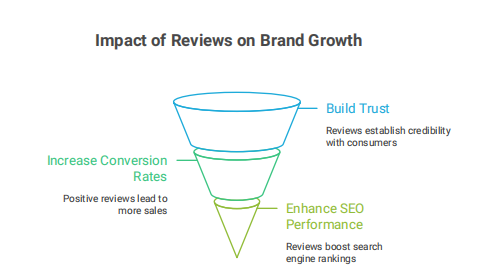
Reviews and ratings have become central to brand building in 2025, shaping consumer trust, conversion rates, and even SEO performance. In a world dominated by digital-first purchasing and AI-driven recommendations, they have shifted from being a simple feedback tool to becoming crucial levers for brand reputation, visibility, and growth.
Why They’re So Influential
1. Build Trust and Social Proof
In today’s digital age, consumers are more informed and discerning than ever before. They are less likely to be swayed by traditional advertising and brand messaging, and instead, place a high value on the opinions and experiences of their peers. A staggering 92% of consumers read reviews before making purchase decisions, demonstrating the immense power of social proof. Positive ratings serve as a powerful signal of quality and reliability, instantly establishing a business as a trustworthy and reputable option in its respective category. This trust is paramount in building a strong brand reputation and fostering long-term customer relationships.
2. Boost Conversion Rates
Online reviews play a crucial role in guiding potential customers through the purchase funnel. By addressing questions, alleviating doubts, and mitigating perceived risks, reviews effectively move shoppers closer to making a purchase. Listings with ratings experience a significant boost in click-through rates, with an average increase of 35%. Furthermore, user-generated content (UGC), such as photos and videos from actual customers, adds an extra layer of authenticity and relatability, further enhancing sales and driving conversions.
3. Enhance Brand Visibility and SEO
In the competitive online landscape, visibility is key to attracting potential customers. Search engine algorithms, such as Google’s, increasingly prioritize reviews as a crucial factor in determining local search rankings. Brands with high ratings and a consistent stream of positive reviews are more likely to rank higher in search results, leading to increased visibility and a greater influx of clicks. As a result, reputation management has become an integral component of any successful digital strategy.
4. Create Brand Advocacy and Word-of-Mouth
Every review serves as a digital recommendation, amplifying a brand’s reach and influence. Satisfied customers transform into brand advocates, actively spreading positive word-of-mouth across various social channels. This organic form of marketing is incredibly powerful, as it carries the weight of genuine experiences and builds trust among potential customers. By fostering brand advocacy, businesses can tap into a network of loyal supporters who actively promote their products or services.
5. Offer Actionable Feedback for Improvement
Reviews provide invaluable insights into customer perceptions, revealing trends, highlighting strengths, and exposing weaknesses. By actively monitoring and analyzing reviews, brands can gain a deeper understanding of their customers’ needs and expectations. Promptly responding to reviews, both positive and negative, demonstrates a commitment to customer care and reinforces trust. Even negative feedback, when handled effectively, can strengthen brand perception by showcasing accountability and a willingness to address concerns.
Where Reviews Matter in Customer Journey
- Awareness & Consideration: First impressions often stem from rating pages or listings; strong reviews sway shoppers toward your brand.
- Purchase: Buyers rely on specific experiences shared in reviews to make final decisions.
- Retention & Advocacy: After purchase, encouraging customers to leave reviews turns buyers into brand promoters, sparking ongoing loyalty.
Visual Reviews: The Power of UGC
Visual user-generated content (UGC), such as customer photos and videos, adds a tangible and relatable dimension to products. In 2025, these visual reviews provide unparalleled context, enabling potential buyers to envision products in their own lives and fostering greater confidence in their purchase decisions.
Best Practices
- Actively request and manage reviews on all key platforms.
- Respond to both positive and negative feedback consistently.
- Encourage visual testimonials (photos, videos).
- Use review insights to guide improvements and customer service.
- Monitor rating trends to track brand sentiment over time.
Conclusion:
Reviews and ratings have become indispensable pillars of effective branding in the digital age. They drive trust, enhance visibility, boost conversions, and foster customer loyalty, making them non-negotiable for brands seeking relevance and sustainable growth in a digital-first world. By embracing and effectively managing reviews and ratings, brands can unlock their full potential and establish a strong, reputable presence in the marketplace.